Community Action is Transforming Education in Côte d’Ivoire’s Cocoa Regions
May 5th, 2026 | Story
WorldEd.org is transitioning to JSI.org. Our work, team, and expertise will continue there as part of a more unified global platform. We look forward to seeing you there.
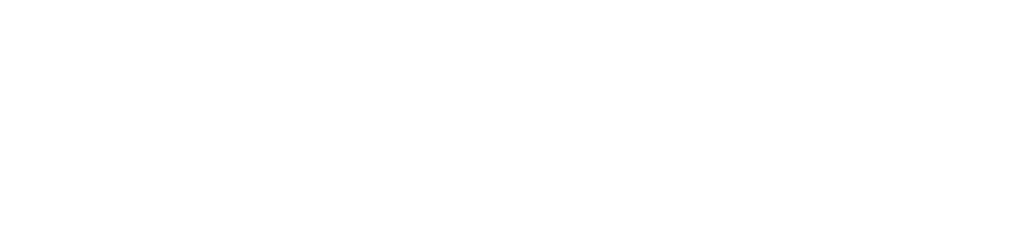
Exchange with the Ndrikro community in Soubre. Credit: JSI/Côte d’Ivoire
World Education, a JSI initiative, has worked in Côte d’Ivoire since 2012 to improve education quality and reduce child labor. We recently sat down with Ferdinand Beblai, JSI Côte d’Ivoire’s Country Director, to discuss our current work implementing the Mondelez International-funded CocoaLife Quality Education Project.
What are some challenges facing education quality in Côte d’Ivoire?
There are several. First, not all school-aged children are enrolled. Second, parents often pull their children out of school to help with the cocoa harvests. Unfortunately, this issue is much more pronounced in the cocoa-producing communities. When a child is involved in labor, education will inevitably be overlooked. They arrive at school late, and this affects their grades, which highlights a third challenge: academic performance. Statistics from 2021 show that more than 15% of children [in Cote d’Ivoire] repeat a grade every year at the primary level. Eventually, the child ends up being expelled or dropping out. The final challenge is that the school infrastructure deficit further compounds this. Schools are often far from the city, where reliable building materials are hard to find. This isn’t good for the children. Increasing weather events make schools built from wood and straw dangerous environments.
How is World Education helping to strengthen these committees?
To address school operational needs, the government established community-based committees known as COGES (Comité de Gestion Établissement Scolaire), which bring together local stakeholders to manage student and teacher resources. In 2012, World Education developed a tool to evaluate how the COGES are functioning. One key challenge COGES often faced is a lack of funding. To address this, the team worked to strengthen the capacity of COGES to implement income-generating activities to support school improvement plans (SIPs). Our work with COGES also included leveraging support from other community actors, Mothers’ Associations, youth groups, and the cocoa cooperatives.
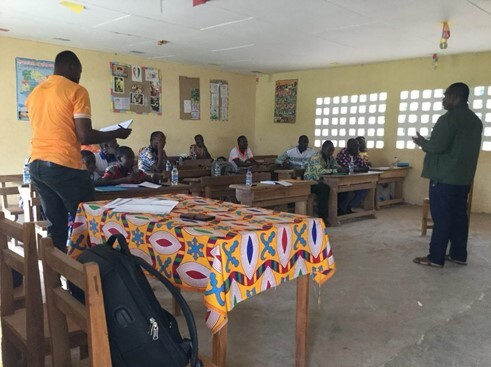
Training of COGES members in the village of Gbogbo located in Meagui. Credit: JSI/Cote d’Ivoire
Some villages grew maize, others raised and sold chickens as income-generating activities. The profits were used to fund school operations. When schools have extra funds, they use them to motivate teachers to continue tutoring children who struggle with math and French. This holistic involvement of the community to support schools enables a stronger commitment among parents to send their children to school and keep them in school.
Can you share a specific success story from the communities?
Prior to 2012, classes were held in precarious sheds without toilets or desks at the N’drikro school. School governance was weak. Children were exposed to environmental hazards and expressed difficulty in reading, writing, and math.
COGES mobilized village leadership, Village Savings and Loan Associations, and youth around a common vision: the school is a community asset that must be saved. While the loan association provided financial and material support, a cassava field was leveraged to generate income. This synergy resulted in two modern school buildings with offices and toilets, radically transforming the environment. Today, N’drikro is a model where children learn in safe conditions, participate in remedial classes, and are motivated by excellence awards.
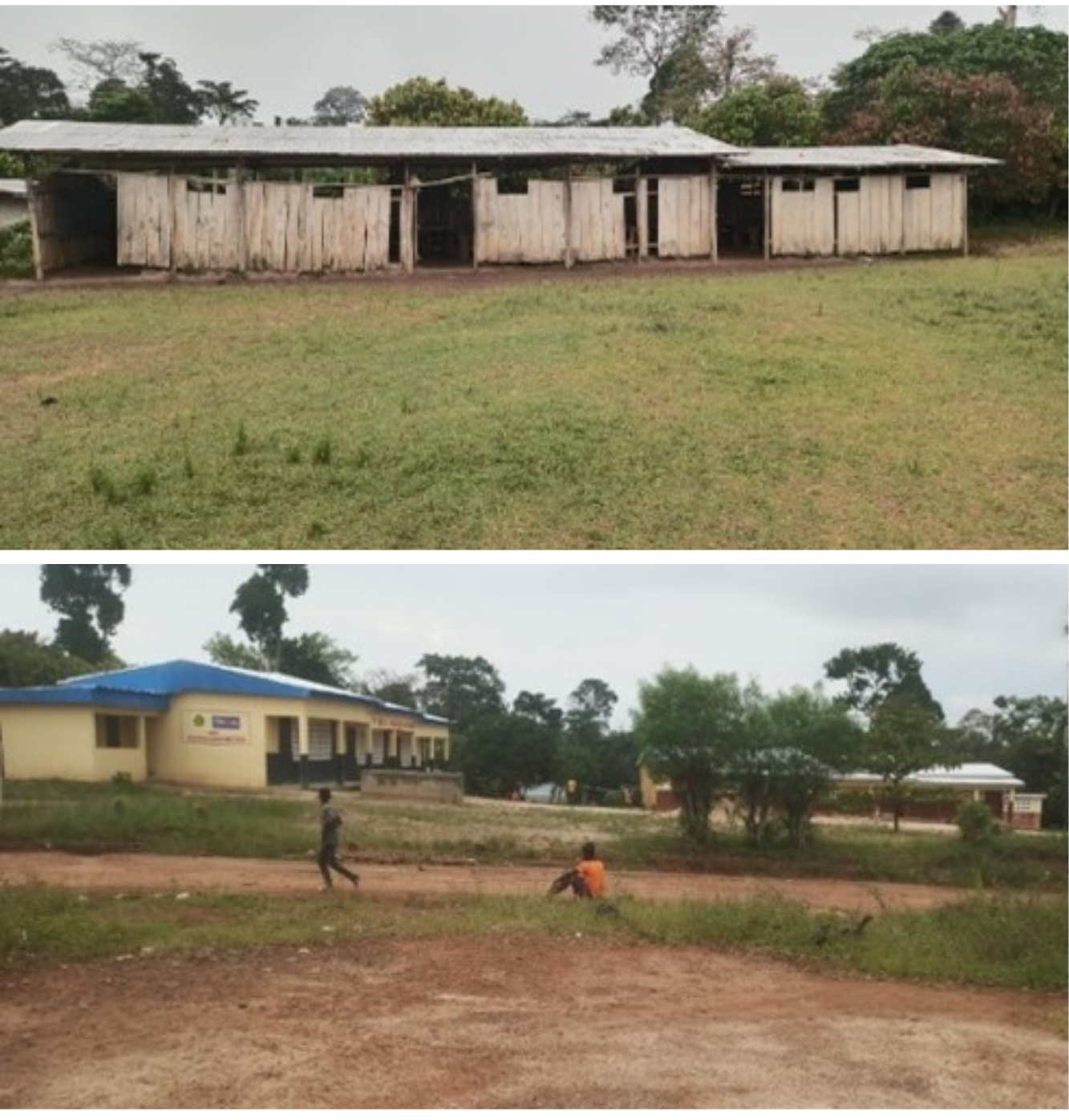
N’drikro school photo before (top) and after (bottom). Credit: JSI/Cote d’Ivoire
Could you explain what unique challenges in cocoa-growing communities are often obscured or “lost” when relying solely on higher-level national data points?
While the State provides overall figures, this data is aggregated by school district; we don’t have specific data for a particular village or a specific community in these reports. Early in our implementation, we tried to find the exact number of children who are six years old – a detail you simply cannot find consistently in government data. Having this information allows us to seek out answers to a fundamental question: “If these children aren’t all in school, what are they doing?”
Only through analyzing community-level datapoints could we understand the conditions guiding local decision-making. For example, we know that cocoa production happens twice a year, and between those two harvests, the farmers have no money to buy school supplies. Because we collected this specific information, we were able to provide a grant of 80,000 francs (about USD 140) to the most vulnerable families for essential supplies.
As we look ahead, what does ‘success’ look like for the sustainability of the CocoaLife project?
The success of this project rests first on the involvement of all community-level stakeholders. Our goal is to make an entire community come together, evaluate the school’s challenges, and bring solutions forward.
We now have COGES committees that are well-trained and capable of mobilizing and managing their own resources, and that are ensuring transparency through accounting records and receipts. They are building traceability and community trust that encourages people to contribute more to the school. Now, in some places where we no longer provide funding, the communities have taken over and continue to finance remedial classes for students struggling with math and reading.
We’re starting to see a growing movement: communities recognizing school as a collective good and parents understanding that even if a child becomes a cocoa farmer, they need to go to school. They learn practical skills that help them to read the labels on insecticides and pesticides to mix them correctly.
What’s next?
Because this project is highly valued, the government has asked us to sign a formal collaboration protocol. This agreement will allow World Education and the government to continue this work together, with the intention to ensure communities are self-sufficiently generating resources and attention in the interest of educating their children. It’s a beautiful project where the government is collaborating closely to ensure ultimate success and sustainability.
World Education fosters enduring partnerships across regions and sectors to advance education outcomes for all. We offer education systems strengthening, program design and implementation, applied research and evaluation, capacity development, and policy development services.