Faster, Closer, Better: How GenAI Is Changing Health Education
May 28th, 2026 | Story
WorldEd.org is transitioning to JSI.org. Our work, team, and expertise will continue there as part of a more unified global platform. We look forward to seeing you there.

In Gujarat, India, World Education, a JSI initiative, partnered with the John Snow India Private Limited (JSIPL) to explore a question: How can generative AI (GenAI) help local frontline health workers build resources today, in real-world settings where connectivity, time, literacy, and capacity are limited?
Working alongside frontline health teams, our partnership used Adobe Express and its AI-supported capabilities to build local capacity in developing timely, community-centered health communication materials.
Across Gujarat’s Devbhumi Dwarka District, Anganwadi Workers (AWWs), community-based, frontline social workers in India, are often the first source of guidance that families receive. They interact with their communities, guiding families on nutrition, newborn care, and child development. They work in remote environments where connectivity is inconsistent, literacy levels vary (making visual learning a necessity), and most communication happens through WhatsApp. The materials available to support their outreach did not always match those realities.
Health education content relied heavily on outsourcing design work for printed materials, a process that was slow, expensive, and difficult to adapt to local needs. Frontline teams needed materials that could be created quickly, updated easily, translated into local languages, and shared immediately. That need led to an important shift in thinking.
Using Adobe Express, World Education worked with district-level staff through a gradual release approach: first modeling content creation, then co-designing materials together, and ultimately supporting independent production. Teams learned to create posters, short videos, GIFs, and visual job aids on priority health topics. And critically, the GenAI features inside Adobe Express expanded what was possible.
Rather than starting from a blank page, staff could experiment with AI-generated images, adapt templates, and rapidly create visuals that aligned more closely with local contexts and preferences. When early poster drafts included imagery that didn’t reflect community realities, staff used GenAI tools to generate culturally appropriate alternatives in minutes. These features did not replace human judgment or local expertise. They reduced barriers to creation and accelerated the design process.
Much of the conversation around GenAI focuses on automation. But in practice, the value here was augmentation. Local staff still determined what information mattered, what imagery reflected community realities, and what messages would resonate with families. AI became a starting point rather than an endpoint.
As confidence grew, so did ownership. Staff began creating their own templates, translating materials into Gujarati, and sharing new skills with colleagues. Content that previously took weeks or even months to produce through outside designers could now be revised in minutes. One team member embraced the platform so fully that she began training district colleagues on her own, extending the project’s reach well beyond the original core group.
During field testing, families responded strongly to visual and video-based content that AWWs could pull up directly on their phones. Text-heavy materials had long created barriers for families with limited literacy. Visual demonstrations made information easier to understand and discuss in the moment. Posters and short media pieces fit naturally into the WhatsApp-based communication networks that already existed.
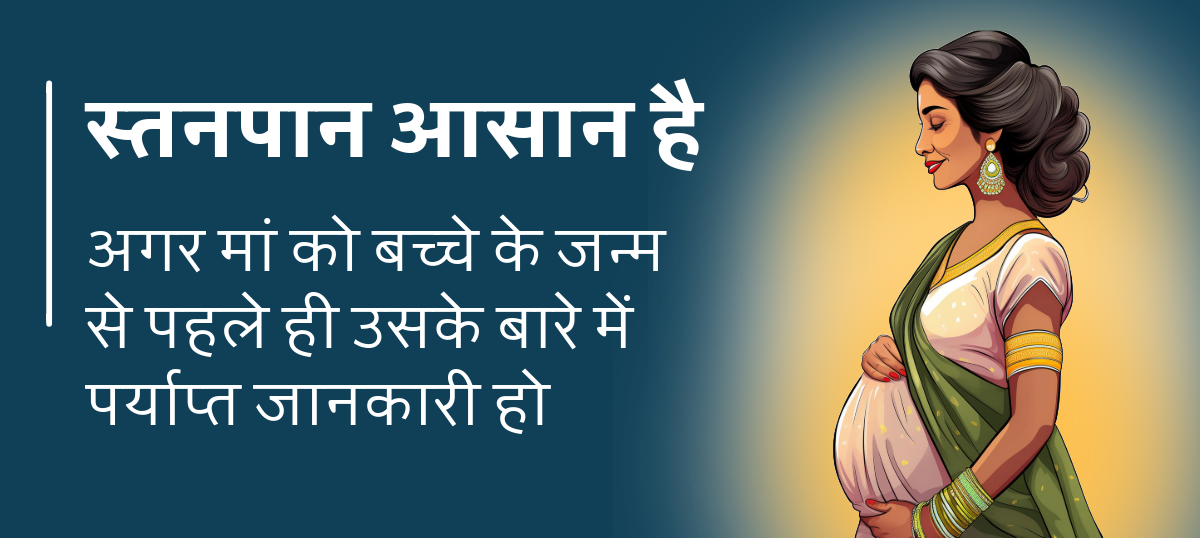
When families said they struggled to follow dense written content, staff could now respond directly, using GenAI to generate clearer, more pictorial alternatives and get them into AWWs’ hands quickly. That kind of responsiveness had simply not been possible before.
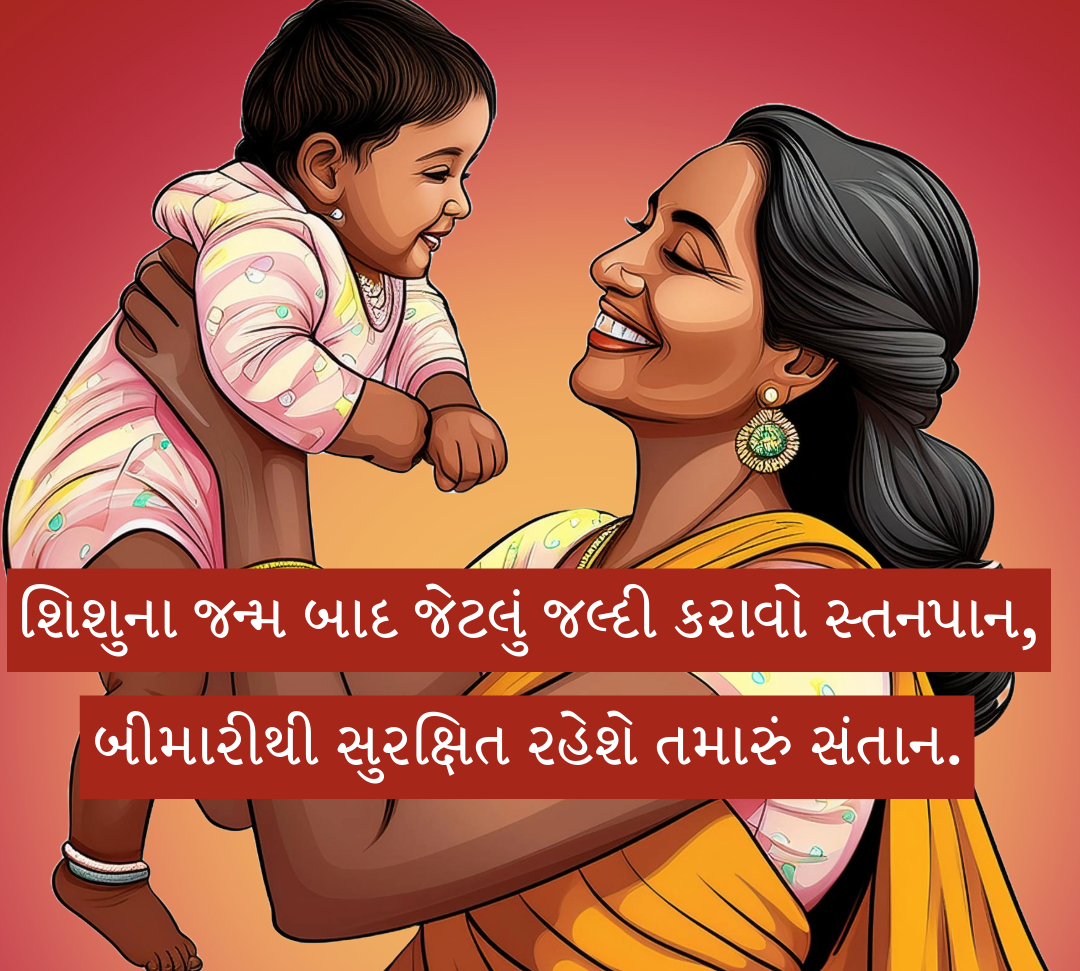
As GenAI tools become increasingly accessible, their greatest potential may not lie in creating more content. It may lie in helping practitioners quickly create and use more localized and more responsive content themselves. Dr. Sanjay Kapur, Managing Director of JSIPL, says, “This innovation can be scaled easily to millions of such Anganwadi Workers, thus reaching millions of mothers and children in a short period of time.”
When thoughtfully implemented, AI can support faster iteration, stronger localization, and greater adaptability, while keeping human expertise and community context at the center. Digital transformation is often framed as something delivered to communities. Our work suggests another possibility where digital transformation is built with communities, and increasingly, by them.
This work was generously supported by Adobe and carried out in close co-creation with World Education, a JSI initiative, in partnership with the John Snow India Private Limited.
World Education fosters enduring partnerships across regions and sectors to advance education outcomes for all. We offer education systems strengthening, program design and implementation, applied research and evaluation, capacity development, and policy development services.